Sierra Foothills Lumber Town
Listings in Tuolumne, CA
Welcome to Tuolumne, the Tuolumne County foothill town built on Gold Rush and lumber history, near Yosemite and the Stanislaus National Forest.
Tuolumne, also known as Tuolumne City, is an unincorporated town and census-designated place in Tuolumne County, California, in the Sierra Nevada foothills east of the county seat of Sonora. Its history reaches back to the Gold Rush, and remnants of the early settlement of Summersville survive alongside the town's better-documented logging past. In 1899, the West Side Flume and Lumber Company opened a large mill in what was then called Carters, and the town was renamed Tuolumne in 1909 as the company, later the West Side Lumber Company, expanded with a drying kiln, planing mill, and box factory. A narrow-gauge logging railroad hauled timber into the town from the surrounding forests from the late nineteenth century until 1961, and that industrial era is preserved today at the Tuolumne City Memorial Museum and along the West Side Trail, which follows the old railroad right-of-way. Today Tuolumne is a quiet foothill community of roughly 1,800 people set among pines and oak woodland near the Stanislaus National Forest. Black Oak Casino Resort, located on Tuolumne Road next to Summerville High School, is a major local employer and entertainment venue, drawing visitors from across the Mother Lode and promoting its proximity to Yosemite National Park. The town's residential streets are modest and forested, and its character remains small-town and tied to the outdoors. Tuolumne's setting places it between the amenities of Sonora, a short drive west, and the recreation of the high Sierra, including the Highway 108 Sonora Pass corridor and the approaches to Yosemite National Park. It appeals to those seeking foothill living with mountain access, a distinctive lumber-town heritage, and a slower pace than the valley below.
Get more information about Tuolumne
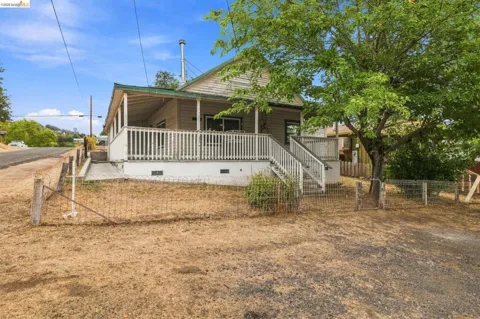
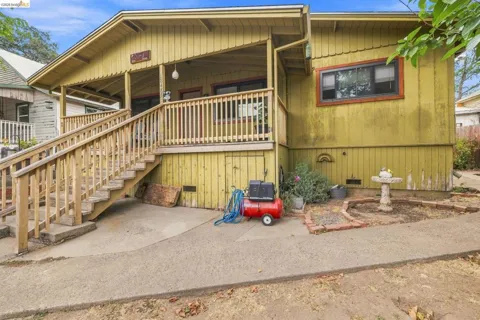
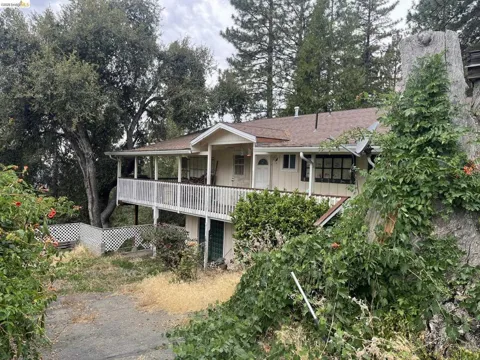
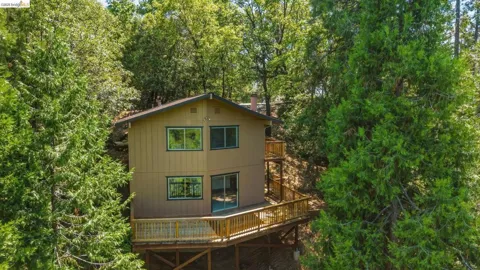
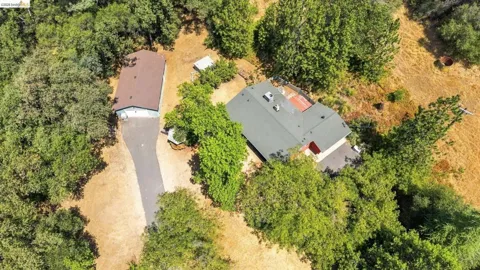
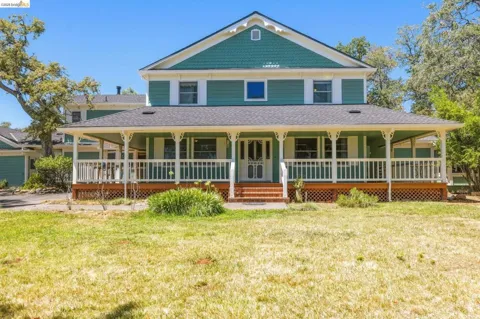
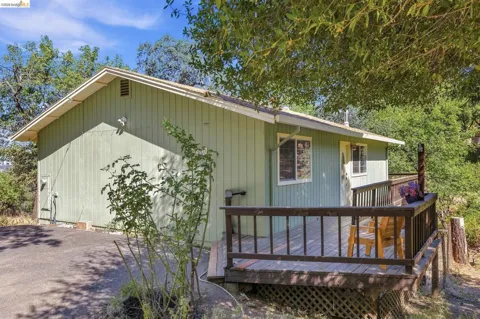
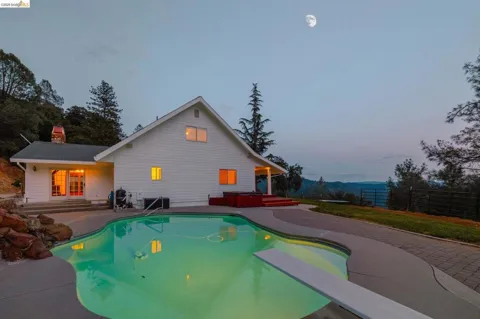
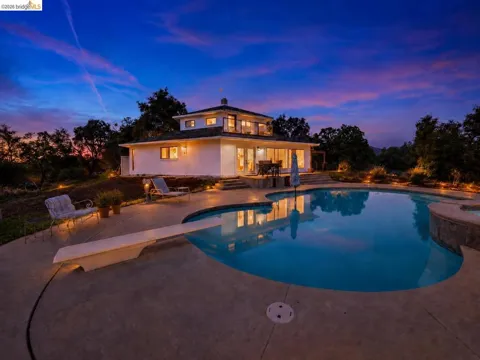
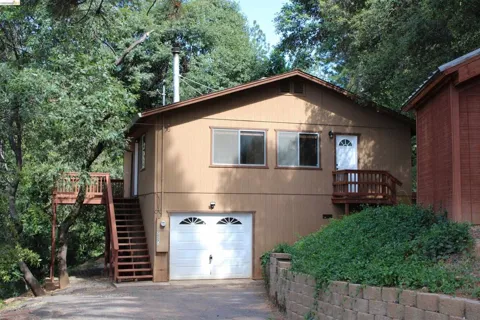
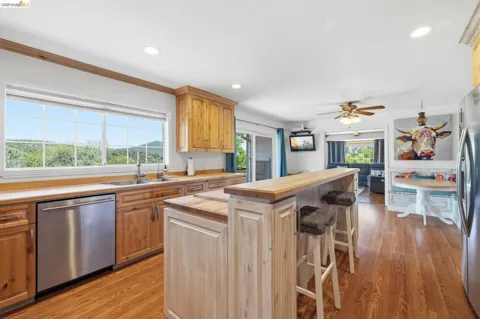
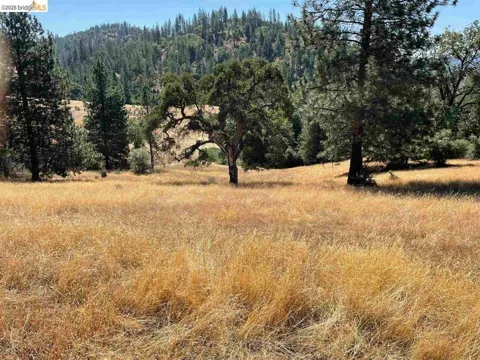
Houses in Tuolumne, CA
MARKET SNAPSHOT
The Market at a Glance
How homes have been selling here over the last 90 days.
Price & Sales History
Market data reflects closed sales over the last 90 days and is provided for informational purposes.
Zip Codes
BROWSE BY ZIP
Browse listings by postal code in this area.
City Guide
About Tuolumne
Real Estate & Housing
Tuolumne's housing stock is small in scale and rooted in its Gold Rush and lumber-town past. Homes range from older mining- and mill-era houses near the town center to modest single-family residences on forested lots, with a rural, mountain character throughout. The surrounding Sierra foothills offer larger, wooded parcels and a degree of privacy not found in valley communities. The housing market is unhurried, and the town's limited inventory reflects its small population and its position as a foothill community rather than a commuter suburb.
Neighborhoods
Tuolumne's small layout centers on Tuolumne Road, which runs through the town and connects it to Sonora and the surrounding foothills. The town center holds the older homes, the memorial museum, and the community's historic core, while residential streets and driveways extend into the pines and oak woodland on either side. Summerville High School and Black Oak Casino Resort sit along the same corridor, anchoring the town's civic and economic life. The West Side Trail follows the former logging railroad route through the area, tying neighborhoods to the town's history.
Lifestyle in Tuolumne
Life in Tuolumne is quiet, outdoors-oriented, and closely tied to the town's foothill setting and lumber heritage. The Tuolumne City Memorial Museum and the West Side Trail keep the logging era visible, while Black Oak Casino Resort provides dining, entertainment, and events a short distance from the town center. Community life is small-scale, centered on the schools, local gatherings, and the surrounding forest. Sonora, a short drive west, supplies the broader range of shopping, medical services, and county services that a town of this size does not support on its own.
Schools & Education
Students in Tuolumne attend local schools in the Summerville area, including Summerville High School, which is located in the town along Tuolumne Road, and Tuolumne Elementary. The schools serve a compact foothill community and keep students close to home through the elementary and secondary grades. For higher education, residents look to Columbia College in neighboring Columbia and other institutions in the central Sierra and Stanislaus region, while Sonora provides additional educational and county resources.
Getting Around
Tuolumne is reached from the Highway 108 corridor via Tuolumne Road, which connects the town to the county seat of Sonora a short drive to the west. Highway 108 continues east from the region toward Sonora Pass and the high Sierra, while Highway 120 provides the approach to Yosemite National Park from the west. The town's foothill location means personal vehicles are essential, with Sonora serving as the regional hub for services, shopping, and connections to the broader Mother Lode and Central Valley highway network.
Parks & Recreation
Recreation in Tuolumne is dominated by the surrounding forest and mountains. The Stanislaus National Forest lies nearby, offering hiking, camping, fishing, and off-road exploration, while Yosemite National Park is within reach to the east. The West Side Trail follows the historic logging railroad route for walking and cycling, and the Tuolumne City Memorial Museum documents the town's lumber heritage. Black Oak Casino Resort adds dining, gaming, and entertainment, and the Highway 108 Sonora Pass corridor opens the high Sierra for seasonal recreation.
About Tuolumne
Frequently asked questions
What county is Tuolumne in?
Tuolumne is in Tuolumne County, California, in the Sierra Nevada foothills east of the county seat of Sonora. The community is also known as Tuolumne City and is an unincorporated census-designated place.
What is Tuolumne known for historically?
Tuolumne is known for its lumber-industry history. The West Side Flume and Lumber Company opened a large mill here in 1899, and the town, renamed Tuolumne in 1909, was served by a narrow-gauge logging railroad until 1961. The Tuolumne City Memorial Museum preserves that history.
What school district serves Tuolumne?
Tuolumne is served by local Summerville-area schools, including Summerville High School, located in the town along Tuolumne Road, and Tuolumne Elementary. Columbia College in nearby Columbia offers higher-education options in the region.
Is Tuolumne near Yosemite National Park?
Yes. Tuolumne lies in the Sierra foothills within reach of Yosemite National Park to the east, with Highway 120 providing the western approach. The Stanislaus National Forest surrounds the area, offering additional hiking, camping, and fishing.
What is the main employer in Tuolumne?
Black Oak Casino Resort, located on Tuolumne Road next to Summerville High School, is a major local employer and entertainment venue. The resort draws visitors from across the Mother Lode region and highlights its proximity to Yosemite National Park.
Still have questions about Tuolumne?
Get in touchExplore the area